
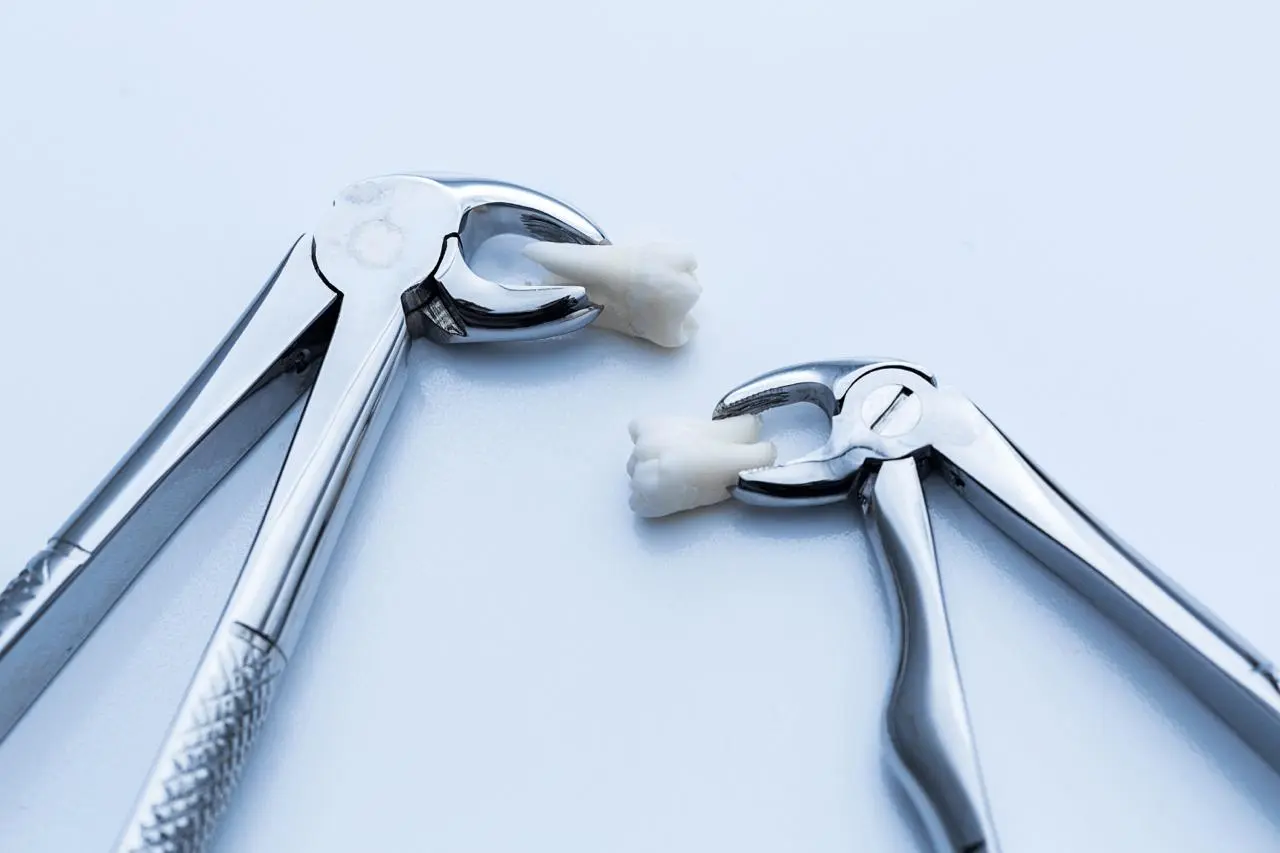
When tooth extraction is needed, whether due to severe decay, gum disease, or other conditions that affect oral health, the most suitable method must be chosen to ensure the procedure is carried out safely and efficiently.
For this reason, tooth extraction methods range from simple procedures to complex ones, and choosing the appropriate method depends on the patient's health status and the condition of the teeth and gums.
In this article, Dr. Mohammad Khaled Nofal, specialist in dentistry, cosmetic dentistry, and dental implants, explains the main methods of tooth extraction.
Methods of Tooth Extraction
Tooth extraction methods include a variety of procedures that differ according to the condition of the teeth and gums, ranging from simple to surgical extraction.
Here are the details of each method:
Simple Extraction
Simple extraction is a medical procedure in which teeth that are visible above the gum line and do not require complex surgical intervention are removed.
This type of extraction involves teeth that are easily accessible and have not sustained severe damage requiring the removal of bone or surrounding tissue.
Surgical Extraction
Surgical extraction is a medical procedure used to remove teeth that cannot be removed using simple conventional methods. It is applied when the teeth are partially or completely covered beneath the gum, or when there is severe damage requiring surgical intervention.
In addition, surgical extraction may require opening the gum to reach the tooth or its roots, and in some cases the dentist may need to remove part of the surrounding bone or divide the tooth into smaller sections to facilitate its removal.
Reasons for Tooth Extraction
Tooth extraction is a procedure resorted to for various reasons, including:
Deep tooth decay.
Advanced gum disease.
Acute gum infections.
Teeth that are broken or severely damaged and cannot be repaired with conventional restorations.
Teeth that grow in an abnormal position or cause problems with the bite or overall oral health.
In some cases, teeth are extracted to create additional space for orthodontic treatment and improve alignment.
Tips After Tooth Extraction
After a tooth extraction, it is important to follow certain tips to ensure proper healing and reduce potential risks.
Here are the most important tips to follow after extraction:
Place a piece of gauze over the extraction site and press gently for 30–45 minutes to control bleeding and allow a blood clot to form at the extraction site.
Avoid spitting or rinsing the mouth vigorously during the first 24 hours to prevent dislodging the blood clot.
Get plenty of rest and avoid strenuous activities during the first 24 hours.
Apply cold compresses to the cheek near the extraction area to reduce swelling.
After 24 hours, you may gently clean your mouth using a soft toothbrush, but avoid cleaning the extraction area directly to prevent irritation.
Take prescribed medications such as pain relievers or antibiotics according to your dentist's instructions.
Read also: How long does pain last after tooth extraction
In conclusion, tooth extraction is a vital step in maintaining overall oral health when needed.
At Dr. Mohammad Nofal's clinic, tooth extraction cases are handled with the highest levels of professionalism and precision, with a commitment to providing comprehensive, personalized care to ensure a comfortable experience and excellent results for every patient.
Book your appointment today and discover how we can achieve a perfect smile with the latest techniques!
Sources
- News-Medical. (2022, December 29). Types of dental extraction. https://www.news-medical.net/health/Types-of-Dental-Extraction
- Professional, C. C. M. (n.d.-i). Tooth extraction. Cleveland Clinic. https://my.clevelandclinic.org/health/treatments/22120-tooth-extraction
- Tooth extraction. (n.d.). Mount Sinai Health System. https://www.mountsinai.org/health-library/surgery/tooth-extraction