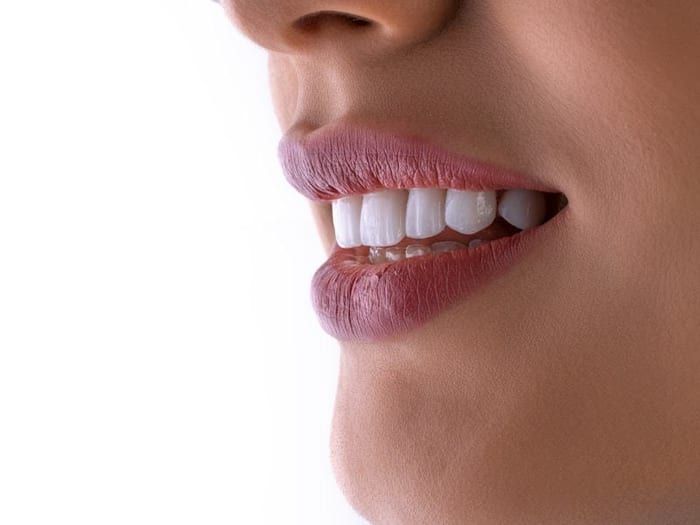
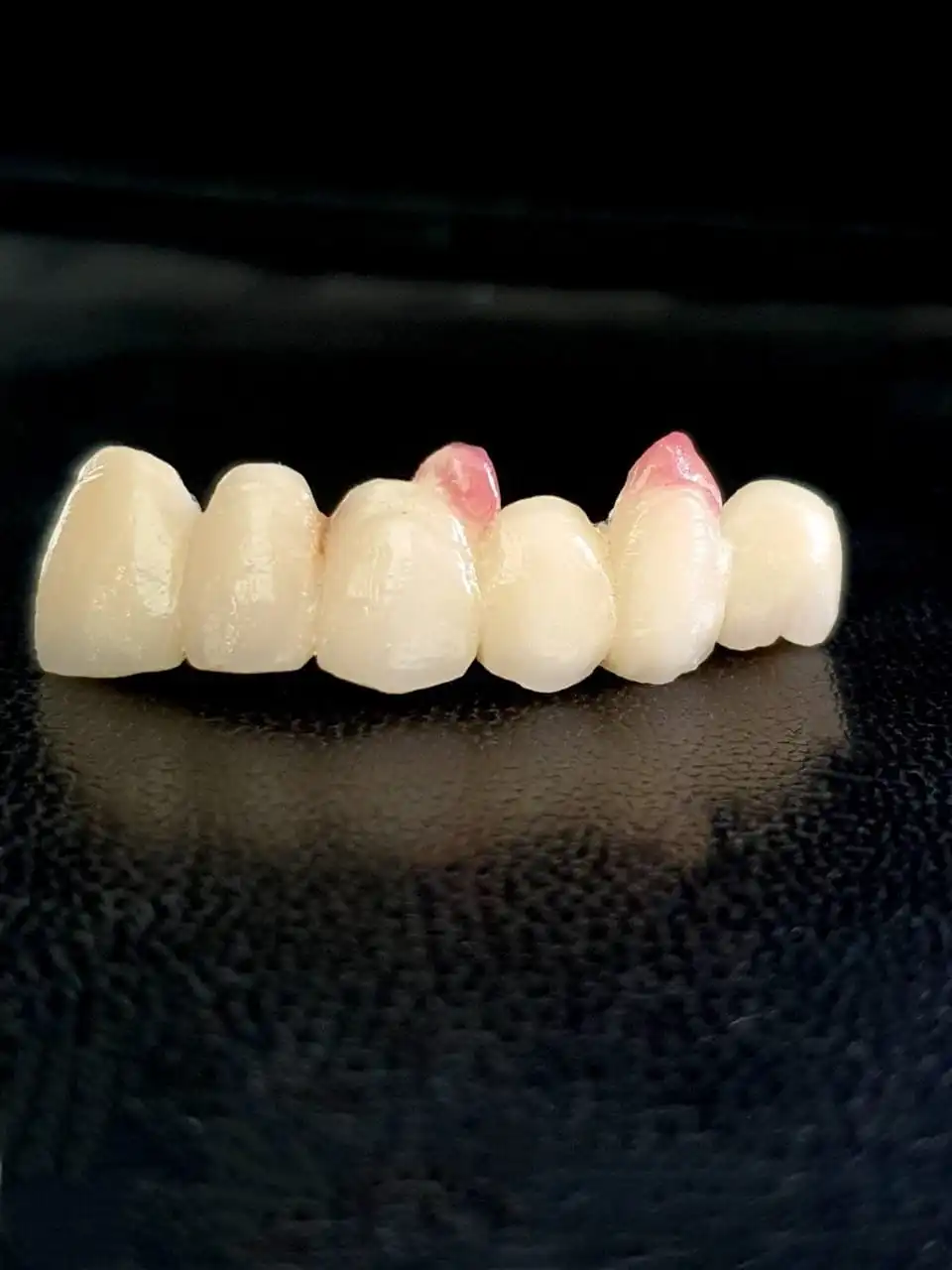
Fixed dental bridges are among the effective cosmetic and medical solutions for replacing missing teeth and restoring natural oral function. In addition, these bridges help keep the neighboring teeth stable and prevent them from shifting.
In this article, Dr. Mohammad Khaled Nofal, specialist in dentistry, cosmetic dentistry, and dental implants, shares the most important information about fixed dental bridges.
What are fixed dental bridges?
Fixed dental bridges are one of the common restorative solutions used to replace missing or damaged teeth.
A bridge consists of one or more teeth called the “artificial tooth,” which is fixed between the adjacent natural teeth. It is usually made of durable materials such as porcelain, ceramic, or a metal alloy.
Read also: The benefits of cosmetic dentistry
Types of fixed dental bridges
Dental bridges vary in design and in the materials used. Below is a summary of the most prominent types and their advantages:
The traditional bridge
Traditional bridges are used to replace missing teeth by fixing an artificial tooth between natural teeth on either side of the gap. The bridge is usually made of materials such as porcelain or gold.
It is considered a strong and durable option that restores natural oral function and the aesthetic appearance of the smile, since it can be designed to match the color and shape of the natural teeth.
The implant-supported bridge
This type combines the traditional bridge with dental implants. Implants are used as supports instead of relying on natural teeth, and they are often fixed onto implants surgically placed in the jaw, providing additional support and stability for the bridge.
This type of bridge is ideal in cases where several consecutive teeth are missing, offering an effective and durable solution for restoring the natural functions of the teeth as well as improving the appearance of the smile.
The Maryland bridge, or resin-bonded bridge
This bridge is characterized by an artificial tooth that is bonded to the neighboring teeth by metal or resin wings.
What distinguishes the Maryland bridge is that it does not require extensive preparation of the adjacent teeth. Instead of fully covering the neighboring teeth as with traditional bridges, the bridge is bonded through wings that are fixed to the back of the teeth adjacent to the gap.
This means it preserves the natural enamel of the teeth and reduces potential damage.
The zirconia bridge
The zirconia bridge is a type of dental bridge made of zirconia, a strong, translucent ceramic material resembling sapphire.
Zirconia is considered excellent because of its strength and durability, making it ideal for withstanding high chewing forces. It also provides a natural appearance because its color resembles that of natural teeth.
Advantages of fixed dental bridges
These include the following:
Restoring natural functions, such as chewing and speaking normally.
Bridges can be designed to match the color and shape of natural teeth, providing an aesthetic and natural appearance.
Fixed bridges provide strong and stable support, reducing the need for ongoing adjustments or replacement.
Fixed bridges are permanently placed and require only daily care with brushing and flossing.
How long do fixed dental bridges last?
With good care, fixed dental bridges can last from 10 to 15 years or more.
In conclusion, fixed dental bridges are a reliable and effective option for replacing missing teeth and restoring a beautiful smile.
Dr. Mohammad Nofal’s clinic is an excellent choice in this field, as the doctor has extensive experience and high proficiency in providing the best solutions for treating dental problems.
Book your appointment today and discover how we can achieve a perfect smile with the latest techniques!
Sources
- Professional, C. C. M. (2024a, May 1). Dental Bridges. Cleveland Clinic. https://my.clevelandclinic.org/health/treatments/10921-dental-bridges
- Puyuelo, C. D. (2023, June 21). What is a fixed dental bridge and what is it used for? Clínica Dental Puyuelo