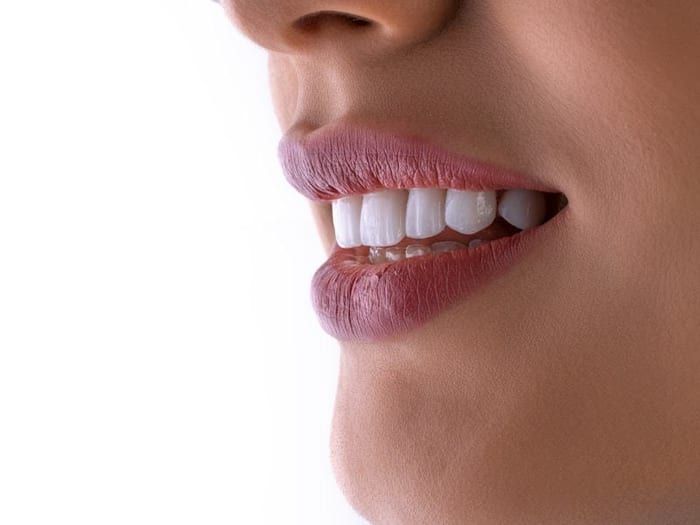
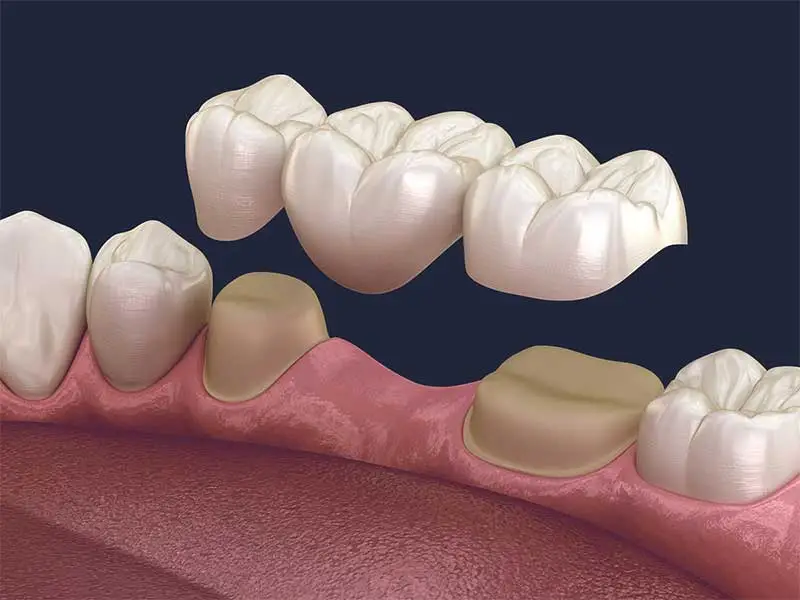
In the world of modern dentistry, dental bridges are among the most notable innovations that have brought a qualitative leap in restoring a beautiful smile and natural oral function.
After losing one or more teeth, this can significantly affect the ability to chew and speak, in addition to its impact on overall appearance.
Therefore, dental bridges provide a fixed, effective solution to these problems, restoring the missing teeth in a natural and beautiful way, which boosts self-confidence and improves quality of life overall.
In this article, Dr. Mohammad Khaled Nofal, specialist in dentistry, cosmetic dentistry, and dental implants, describes the different types of dental bridges and the advantages of each type.
Types of Dental Bridges and Their Advantages
Types of dental bridges vary according to design, the materials used, and the method of placement. The following is a detailed explanation of the main types:
Traditional Dental Bridges
A traditional dental bridge is a common type of bridge used to replace missing teeth. This bridge is made from materials such as porcelain or gold.
The purpose of this bridge is to fill the gaps left by missing teeth and restore the function of the jaw and the appearance of the smile.
Advantages
Fixed and strong: The bridge provides good stability and strong support, thereby helping to restore jaw function.
Natural appearance: The bridge can be designed to match the color and shape of the rest of the teeth to look natural.
Durability: With proper care, a dental bridge can last for a long time.
Implant-Supported Dental Bridge
This type combines the benefits of traditional bridges with the dental implant procedure. It is distinguished by resting on dental implants rather than natural teeth to provide support and stability for the bridge.
An implant-supported bridge is often used when three or more consecutive teeth are lost, making it an effective and sustainable solution for restoring the function and natural appearance of the teeth.
Advantages
High stability: The implant-supported bridge provides high stability and steadiness that surpasses traditional bridges.
Natural appearance: A natural and more aesthetically pleasing appearance of the teeth can be achieved due to the strong fixation and correct positioning.
Preserving bone health: It helps prevent the bone atrophy that can occur after tooth loss.
Maryland Bridge or Resin-Bonded Bridge
The Maryland bridge is a specialized type of dental bridge, distinguished by its unique design that differs from traditional bridges.
This bridge consists of a replacement tooth attached to metal wings or wings made of strong resin. These wings are fixed to the back of the teeth adjacent to the tooth gap, allowing the bridge to be fixed without the need for extensive preparation of the adjacent teeth or covering them completely with crowns.
Advantages
They are as follows:
Preserving the natural teeth and ease of placement: Thanks to its design, which requires less preparation of the adjacent teeth, the Maryland bridge helps preserve more of the natural tooth enamel.
Natural appearance: The wing is carefully designed to match the color and shape of the natural teeth.
Cost: This type can be an ideal option for some, as it is much less expensive than traditional bridges.
Comfort and stability: This bridge provides a comfortable, stable solution for replacing missing teeth, helping to restore natural oral functions such as chewing and speaking.
Zirconia Bridge
The zirconia bridge is a type of dental bridge that uses ceramic zirconia material to make the bridge.
Zirconia is distinguished by its high strength and translucency, giving it a sapphire-like appearance and making it an ideal choice for restoring missing teeth in a natural and lasting way.
Advantages
Natural appearance: Zirconia is distinguished by its translucency and beauty, which closely resembles the appearance of natural teeth. These properties make the bridge blend seamlessly with the adjacent teeth without looking artificial.
High strength and durability: Zirconia is distinguished by its strength and durability, making the bridge able to withstand the pressure and friction resulting from chewing for long periods without easily wearing down or breaking.
Read also: Toothache
How Is the Appropriate Type of Bridge Chosen for the Teeth?
To determine the type of bridge a patient needs, the dentist will take several factors into account, including:
Age (dentists do not usually place bridges for children).
The number of missing teeth.
The size of the gap.
The condition of the teeth beside the gap.
Whether there are natural teeth on both sides of the gap.
The overall health of the teeth and gums.
The patient's personal preferences.
Read also: Instructions and guidelines after teeth whitening
How Long Do Dental Bridges Last?
On average, the expected lifespan of dental bridges is from 5 to 15 years, and for some they can last even longer with good care and attention.
In conclusion, Dr. Mohammad affirms that dental bridges are an excellent option for restoring confidence and comfort in the smile and preserving the function and beauty of the mouth. With the advancement of technology and the materials used, it has become possible to provide an ideal, lasting solution for replacing missing teeth.
And remember that the decision to invest in the health and beauty of your teeth is an investment in your comfort and self-confidence.
Sources
- Professional, C. C. M. (n.d.-c). Dental Bridges. Cleveland Clinic. https://my.clevelandclinic.org/health/treatments/10921-dental-bridges
- Exploring the various types of dental bridges and their benefits | Comfort care. (n.d.). Comfort Care. https://comfortcaredental.com.au/exploring-the-various-types-of-dental-bridges-and-their-benefits
- Frothingham, S. (2023, April 25). Dental Bridge. Healthline. https://www.healthline.com/health/dental-bridge
- Christiansen, S. (2023, December 20). What is a dental bridge? Verywell Health. https://www.verywellhealth.com/dental-bridge-4777662
- Seed, S. (2024, January 24). Dental bridges: What do they do? WebMD. https://www.webmd.com/oral-health/dental-health-bridge