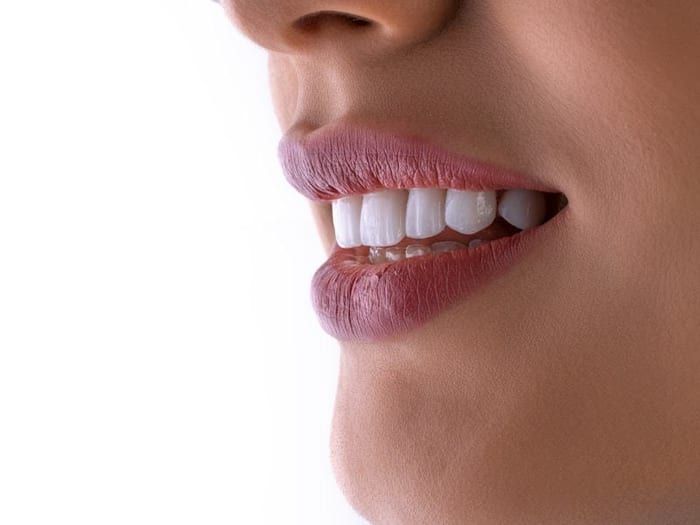
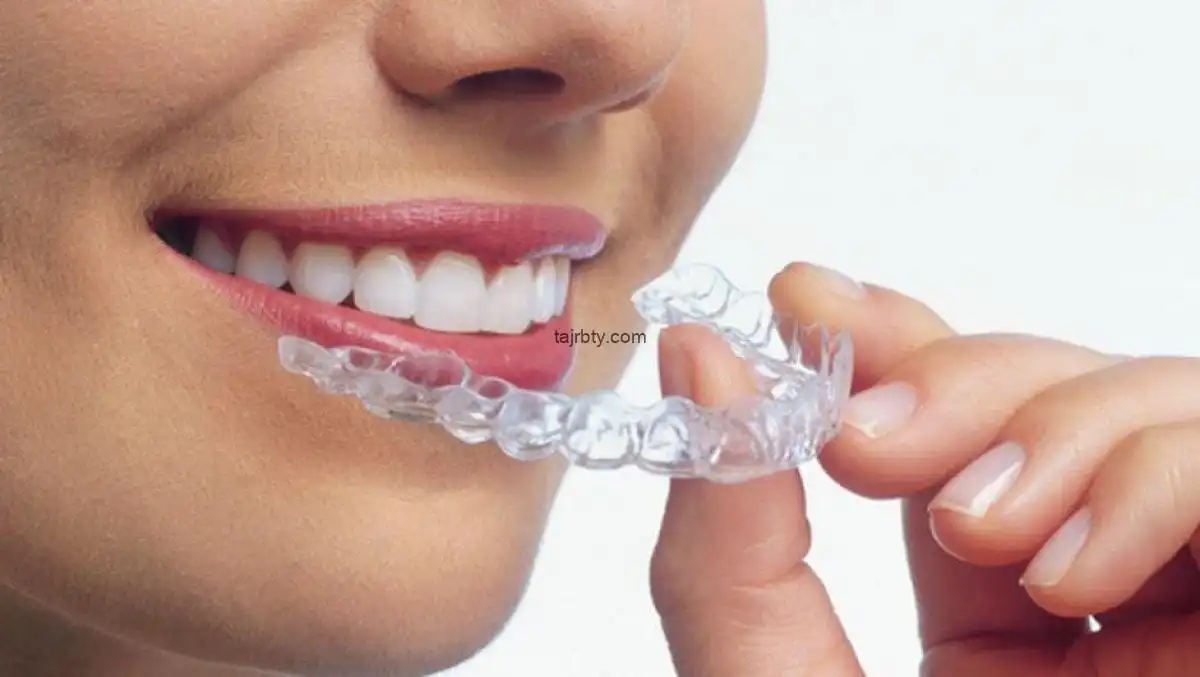
Clear aligners stand out as one of the leading solutions that combine effectiveness and elegance. They offer a modern alternative to traditional metal braces, distinguished by their inconspicuous appearance and ease of use, which makes them a preferred choice for many people who seek to achieve a perfect smile without affecting their everyday appearance.
Clear aligners represent a qualitative leap in correcting dental problems, thanks to their custom design that suits each individual case and effectively achieves the desired results.
In this article, Dr. Mohammad Khaled Nofal, specialist in dentistry, cosmetic dentistry, and dental implants, explains the most important information about clear aligners.
What are clear aligners?
Clear aligners are a designed type of treatment in which transparent trays are used to improve the alignment of the teeth and correct bite problems in a nearly invisible way, so that aesthetic and functional results can be achieved effectively and comfortably.
Because they are less noticeable, they are considered a modern alternative to traditional metal braces, with the added benefit of being easily removable while eating or brushing the teeth.
How do clear aligners work?
Clear aligners are manufactured using advanced techniques such as digital imaging and three-dimensional planning.
The patient’s aligner trays are designed based on a comprehensive examination of the teeth and jaw structure.
Clear aligners often consist of a series of transparent trays that are worn sequentially. Each tray makes gradual changes to the position of the teeth and is usually changed every two to three weeks.
Read also: Instructions after fitting braces
Advantages
The advantages include the following:
A better aesthetic result: Because the aligners are transparent, they are often less noticeable than traditional braces, allowing patients to feel more comfortable during treatment, as well as not worrying about the appearance of the braces while smiling or speaking.
Greater comfort: They are custom designed to fit the shape of the teeth, reducing the discomfort and irritation caused by the wires and brackets found in other types of braces.
Removability: They can be taken out while eating or brushing the teeth, making oral care easier and less restrictive.
Use of advanced technology: The use of three-dimensional imaging techniques and design software allows for highly precise treatment planning and faster, satisfactory results.
No side effects and minimal intervention: This type of aligner reduces irritation of the mouth and lips thanks to the absence of protruding wires or sharp brackets.
Conditions treated by clear aligners
Clear aligners can treat a variety of dental problems, including:
Correcting tilted, crowded, or overlapping teeth.
Spaced teeth (that is, people who have gaps between their teeth).
Correcting cases in which the upper teeth overlap the lower teeth, or vice versa.
Addressing cases where the upper and lower teeth do not meet when the mouth is closed.
In conclusion, we would like to emphasize that this modern technique offers a comfortable and aesthetic solution for various dental problems.
If you are considering clear aligners and seek the best results, you can consult Dr. Mohammad Nofal, who, thanks to his extensive experience and the advanced techniques he uses, provides specialized care to ensure outstanding results and a charming smile.
Book your appointment today and discover how we can achieve a perfect smile with the latest techniques!
Sources
- What to know about Invisalign and its effectiveness. (2021, January 7). Healthline. https://www.healthline.com/health/does-invisalign-work
- Invisalign Aligners | Cost and FAQs | BuPa Dental Care. (n.d.). [Video]. https://www.bupa.co.uk/dental/dental-care/treatments/orthodontics/types-of-braces/clear-aligners/invisalign
- Mintox – Adaptive e-Business Software. (2018, November 28). Invisalign vs Braces: Which is Better? | Expert Comparison. The Orthodontists. https://www.theorthodontists.com.au/blog/invisalign-vs-braces-the-pros-and-cons-of-each