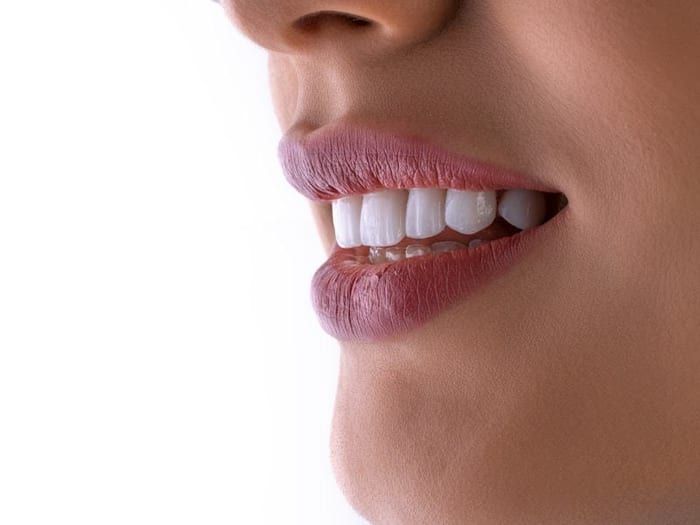
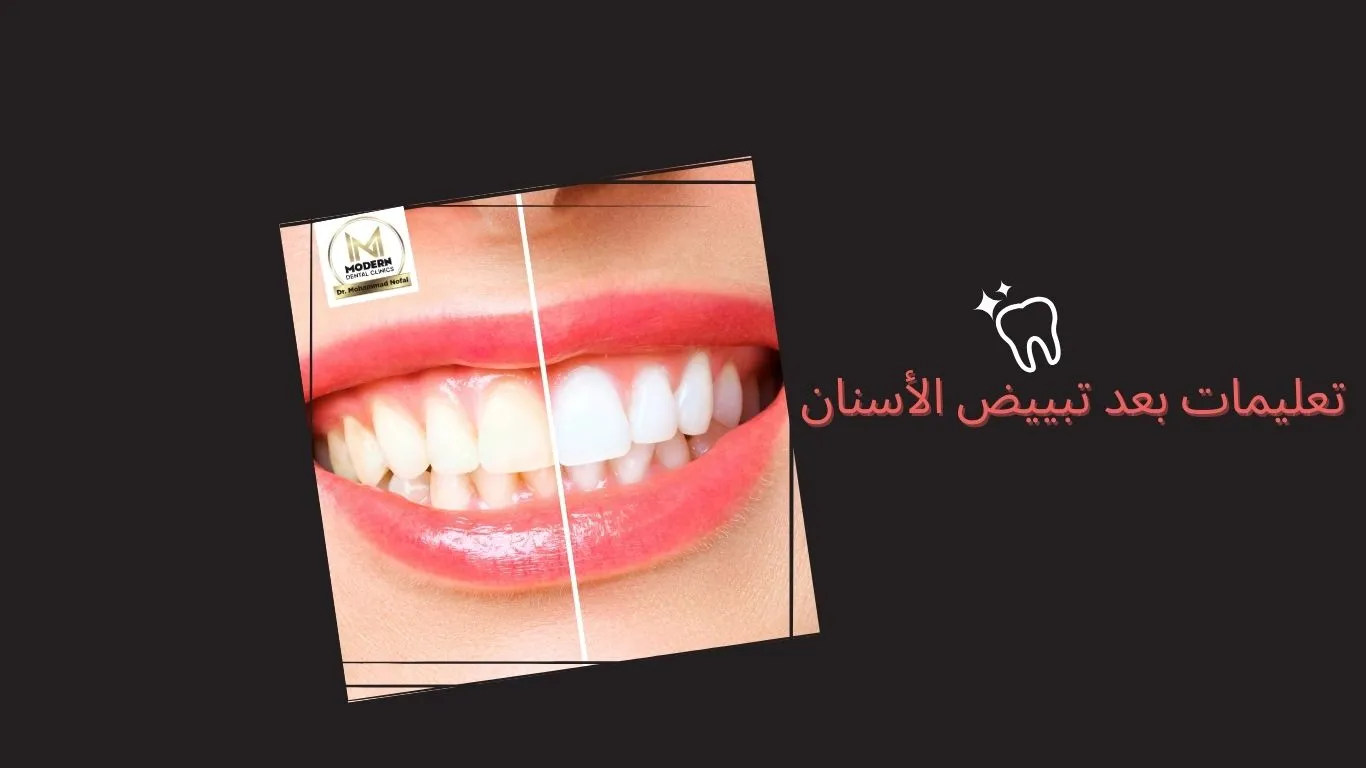
Teeth whitening is a procedure that aims to lighten the color of the teeth and remove stains. It can be done at the dentist's clinic or carried out at home.
Teeth whitening is considered an ideal solution for people who are not satisfied with the color of their teeth, as the patient can see the result immediately, and teeth whitening is most often performed using peroxide-based whitening agents.
To maintain bright white teeth, there are some instructions a person should follow, which Dr. Mohammad Khaled Nofal, specialist in dentistry, cosmetic dentistry, and dental implants, provides in this article.
Instructions and guidelines after teeth whitening
With these simple tips, you can get the most out of your teeth-whitening treatment and keep your teeth white for months to come!
Post-whitening instructions include the following:
Brushing and flossing the teeth
The teeth should be brushed and flossed regularly (twice a day), but you should take into account brushing them gently, because after teeth whitening the teeth are sensitive.
It is also preferable to use a soft-bristled toothbrush.
Rinsing with water immediately after eating or drinking
One of the most important things you can do after a teeth-whitening session is to rinse your mouth with water immediately after eating or drinking, especially after consuming acidic foods and drinks, which can erode the tooth enamel and lead to staining over time.
Rinsing the mouth with water helps remove any remaining particles of food or drink that can stain the teeth.
Avoiding foods and drinks that stain the teeth
After undergoing a teeth-whitening treatment, it is important to avoid dark-colored foods and drinks during the first 24–48 hours.
This is because the teeth are more susceptible to staining during this period.
Examples include:
Chocolate.
Soy sauce.
Tomato sauce.
Carrots.
Coffee and tea.
Cola.
Trying to quit smoking
Smoking cigarettes or using other tobacco products can cause significant staining after a teeth-whitening treatment.
Therefore, if possible, try to quit smoking altogether to maintain the best results.
Avoiding sticky foods
Avoiding sticky foods that adhere to the tooth surfaces is a good idea, as they can often harm teeth that have been whitened.
Using a desensitizing toothpaste or gel
If you experience uncomfortable sensitivity after a teeth-whitening treatment, you can use a desensitizing toothpaste or use a desensitizing gel.
They help seal the pores in the teeth, thereby reducing symptoms of sensitivity.
Following up with the dentist
An important part of the aftercare process following teeth whitening is scheduling a follow-up appointment with the dentist to make sure there is no damage.
You may also be interested in: Things you should know before getting veneers.
Can I brush my teeth immediately after whitening them?
It is recommended to wait at least one hour after teeth whitening before brushing them, because the teeth-whitening process can make the teeth more sensitive.
Brushing the teeth immediately afterward can worsen this sensitivity.
How long will my teeth stay white after whitening them?
The duration of the whitening effects varies from person to person, because it depends on factors such as diet and oral hygiene habits.
However, with proper aftercare, the effects of teeth whitening can last from 6 months to two years.
Side effects after teeth whitening
Some side effects may appear after teeth whitening, including:
Tooth sensitivity with or without tooth pain
Some people may experience increased tooth sensitivity after a teeth-whitening procedure, especially when eating or drinking very hot or cold things.
Tooth sensitivity usually subsides after a few days.
Gum irritation
Teeth whitening requires the use of whitening agents, which can irritate the gums and lead to inflammation.
To avoid these effects, the dentist may use a gum barrier to help reduce the likelihood of the whitening materials coming into contact with the gums.
Uneven whitening
For people who have fillings, crowns, or bridges, a teeth-whitening procedure will not change their color, which means uneven whitening.
What is the most effective method for teeth whitening?
For long-lasting results, teeth-whitening treatment at the dentist's clinic is recommended, along with the need to be careful to follow the post-whitening instructions provided by the dentist.
Do whitening treatments harm the teeth?
Professional teeth whitening (at the dentist's clinic) does not damage the enamel, so there is no need to worry about the teeth being harmed.
However, overusing whitening toothpaste and home whitening treatments can have a damaging effect on the tooth enamel.
In-clinic teeth whitening is safe, fast, effective, comfortable, and reasonably priced. If you are not comfortable with your smile, do not hesitate to visit the clinic of Dr. Mohammad Nofal, where you can receive high-quality teeth-whitening treatment using the latest methods.
References:
Fries, W. C. (2023, November 15). Teeth Whitening: How It Works and What to Expect. WebMD. https://www.webmd.com/oral-health/teeth-whitening-and-bleaching#1-8
Teeth Whitening Aftercare: 4 Tips For Long-Lasting Results. (2023, July 27). Royal Oak Family Dental of Oklahoma City. https://royaloakfamilydental.com/teeth-whitening-aftercare-tips-for-long-lasting-results/
Dental, H. (2023, March 3). 7 Teeth Whitening After Care Tips To Follow. Heritage Dental – Katy. https://heritagedentalkaty.com/teeth-whitening-after-care-tips-to-follow/
Le, T. (2023, May 11). Important Teeth Whitening Aftercare Tips: 48 Hours and Beyond. Bunker Hill Dentistry. https://www.bunkerhilldentistry.com/2023/03/02/teeth-whitening-aftercare/
Gelfand, E. (2023, April 11). How to Care for Your Teeth After a Whitening Treatment. Dawson Dental. https://dawsondental.ca/how-to-care-for-your-teeth-after-a-whitening-treatment/